
Hidden Gems of South America 2026. South America is a continent of extraordinary landscapes, vibrant cultures, and remarkable biodiversity. While legendary destinations such as Machu Picchu and the Amazon Rainforest attract millions of travellers each year, the continent also hides a wealth of lesser-known destinations that offer equally spectacular experiences, without the crowds. From remote Incan ruins and pristine wetlands to isolated coastal villages and soaring mountain valleys, these hidden gems reward adventurous travellers seeking authentic, uncrowded journeys.
Comprising twelve sovereign nations - including Brazil, Argentina, and Chile - as well as two territories, South America stretches from the Caribbean Sea in the north to the windswept waters of Cape Horn in the south. Connected to North America by the narrow Isthmus of Panama, the continent is defined by dramatic geography, including the towering Andes Mountains and the vast Amazon Basin.
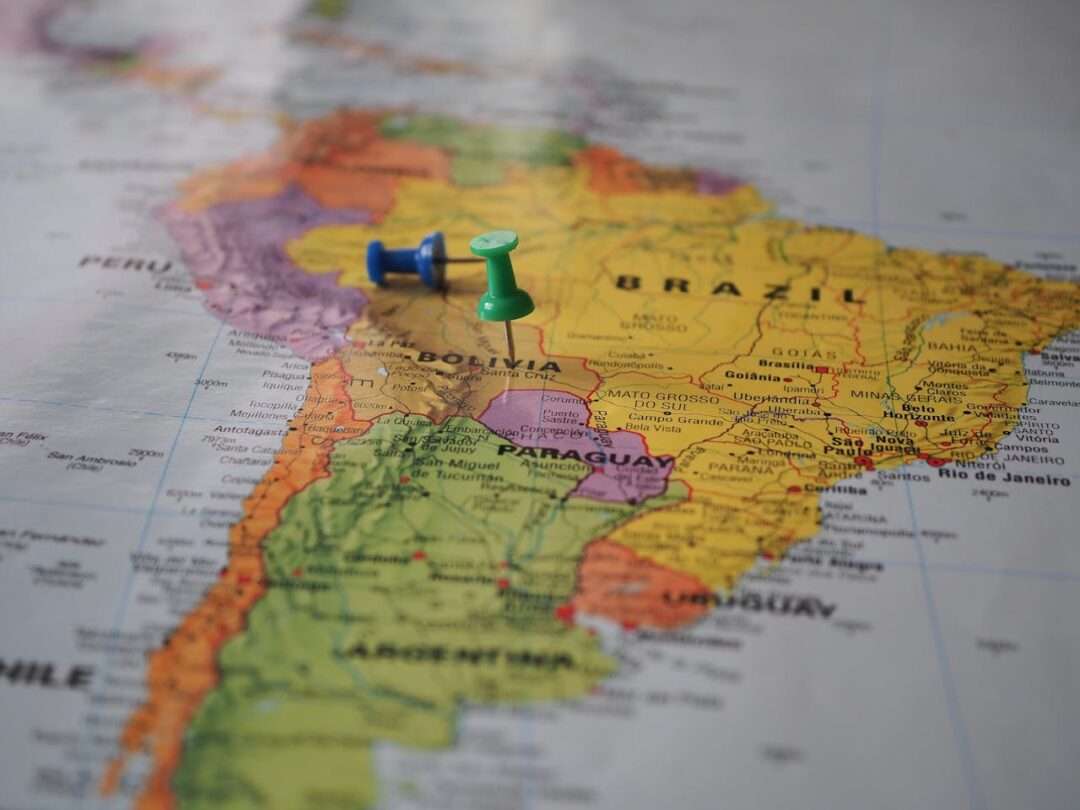
Hidden Gems of South America
Below are some of South America’s most fascinating yet underrated destinations.
Choquequirao, Southern Peru
Often referred to as the “sister city” of Machu Picchu, Choquequirao is one of the most impressive yet least-visited Incan sites in South America. Located high in the rugged Vilcabamba Mountains at an altitude of about 3,050 metres, the ruins require a challenging multi-day hike to reach. The reward is a spectacular archaeological complex with sweeping mountain views and far fewer visitors than Peru’s more famous sites.
Paracas, Peru
Located on Peru’s Pacific coast, Paracas offers a dramatic mix of desert landscapes, marine wildlife, and adventure. The nearby Paracas National Reserve protects a unique desert-meets-ocean ecosystem, while boat trips to the Ballestas Islands reveal colonies of sea lions, pelicans, and Humboldt penguins.
Ollantaytambo, Peru
Often used simply as a stop-over on the way to Machu Picchu, Ollantaytambo deserves exploration in its own right. This living Inca town in the Sacred Valley features impressive terraces, an ancient fortress, traditional markets, and narrow cobbled streets that have remained largely unchanged for centuries.
Cerro Corá National Park, Paraguay
Cerro Corá National Park is Paraguay’s largest protected area and a true off-the-beaten-path destination. Located near the Brazilian border, the park offers scenic hiking trails, historical significance related to the end of the Paraguayan War, and opportunities to spot wildlife in its rugged hills and forests. It remains one of South America’s least crowded national parks.
The Pantanal, Brazil
Often overshadowed by the Amazon Rainforest, the Pantanal is the world’s largest tropical wetland and one of the best wildlife viewing destinations in South America. Spanning parts of Brazil, Bolivia, and Paraguay, this UNESCO-listed ecosystem offers exceptional chances to see jaguars, giant river otters, caimans, and hundreds of bird species in open wetlands that make wildlife easier to spot than in dense rainforest.
Cabo Polonio, Uruguay
On Uruguay’s wild Atlantic coast lies Cabo Polonio, a rustic, car-free village accessible only by 4x4 vehicles, horseback, or on foot. Surrounded by towering sand dunes and windswept beaches, the area is famous for its large sea lion colonies and the historic lighthouse built in 1881. Its remote atmosphere and laid-back vibe make it a favourite among travellers seeking a slower pace.
Guyana – South America’s Eco-Tourism Frontier
One of the least visited countries in South America, Guyana is a hidden paradise for eco-tourism. Vast tracts of untouched rainforest protect extraordinary biodiversity, and the country is home to the spectacular Kaieteur Falls - one of the world’s tallest single-drop waterfalls.
Cocora Valley, Colombia
In Colombia’s coffee region, the enchanting Cocora Valley is famous for its towering wax palms - the tallest palm trees in the world. Surrounded by cloud forests and misty Andean peaks, the valley offers some of the most striking hiking scenery in South America.

South America: Travel Facts for 2026
South America continues to evolve as a travel destination, with several trends shaping the continent’s tourism landscape.
Must-Visit Destination: Chile is widely regarded as a top destination for nature lovers, offering glaciers, deserts, fjords, and national parks.
Most Budget-Friendly Countries: Bolivia, Peru, Ecuador, and Paraguay offer some of the continent’s lowest travel costs.
Least Visited Country: Guyana remains one of the world’s least explored destinations due to limited tourism infrastructure.
South America’s “Big Five” wildlife: Jaguar, Giant River Otter, Maned Wolf, Tapir, and Giant Anteater.
Geography of South America
South America is bordered by major bodies of water including the Pacific Ocean to the west, the Atlantic Ocean to the east, the Caribbean Sea to the north, and the Drake Passage near the southern tip. The continent’s defining geographic features include the vast Andes mountain chain along its western edge and the immense Amazon Basin covering much of the north-central region.
Important islands include the famous Galapagos Islands in the Pacific Ocean and the Falkland Islands in the South Atlantic. At the continent’s southernmost point lies Cape Horn, a legendary landmark for explorers and sailors.
Covering nearly half of the continent’s landmass, Brazil is South America’s largest country and one of the most biodiverse places on Earth.
For travellers seeking a more intimate and authentic experience, these hidden destinations reveal a different side of South America - one filled with remote landscapes, fascinating cultures, and unforgettable natural wonders far from the crowds.


